
Safety in numbers in the animal kingdom
Safety in numbers is the hypothesis that, by being part of a larger group, an individual is less likely to be the victim of a bad event. By becoming part of a bigger mass you reduce danger even if you become more predictable. It is all about the numbers game you could say.
In the animal world safety in numbers is commonly seen and applies to many different species, mostly during migration. It applies to many species from small insects to big mammals. The one that most people know about is of course the Great Migration in East Africa. What many don’t know is that there actually is a bigger mammal migration in Africa each year, talking about individuals, and that is the Fruit Bat migration in Zambia. Personally that is something I am more interested to experience than the Great Migration.
Predator satiation
A second type of safety in numbers are predator satiation. This is an anti-predator adaptation and it can be seen during the Wildebeest calving season in Serengeti, as a part of the Great Migration. Food becomes easily available, but the predators can still only consume a certain amount reducing the probability of an individual being killed. This type of adaptation can also be seen in many species of plants.
The Sardine run is a predator satiation spectacle that I would like to witness. It runs along the southern coast of Africa each year. This is when the sheer number of sardines create a feeding frenzy both from the air and in the water. It is a poorly understood event, but I guess it might have to do with reproduction.
Safety in numbers at home
Last year brought me in contact with the safety in numbers concept both abroad and home. I would never have guessed that I was to experience it at home, but that I did.
We experienced the same type of phenomenon that I think most countries in Europe experienced. Media called it the Painted Lady invasion. It is seen with a common regularity all over Europe when climatic conditions become favorable and food plants become available for the caterpillars of the Painted Lady.
Last year I could easily see hundred of Painted Ladies when I visiting my normal butterfly grounds. It was said that this butterfly migration could be tracked by radar stations. I find is hard to grasp as I don’t understand the volumes of butterflies for that to be possible. Still they talked about millions of individuals inside a swarm so logically it might have been possible.

Safety in numbers abroad
I was certainly not surprised to see Safety in numbers when I visited Zakouma National Park in Chad. It was actually two specific “events” that I wanted to witness.
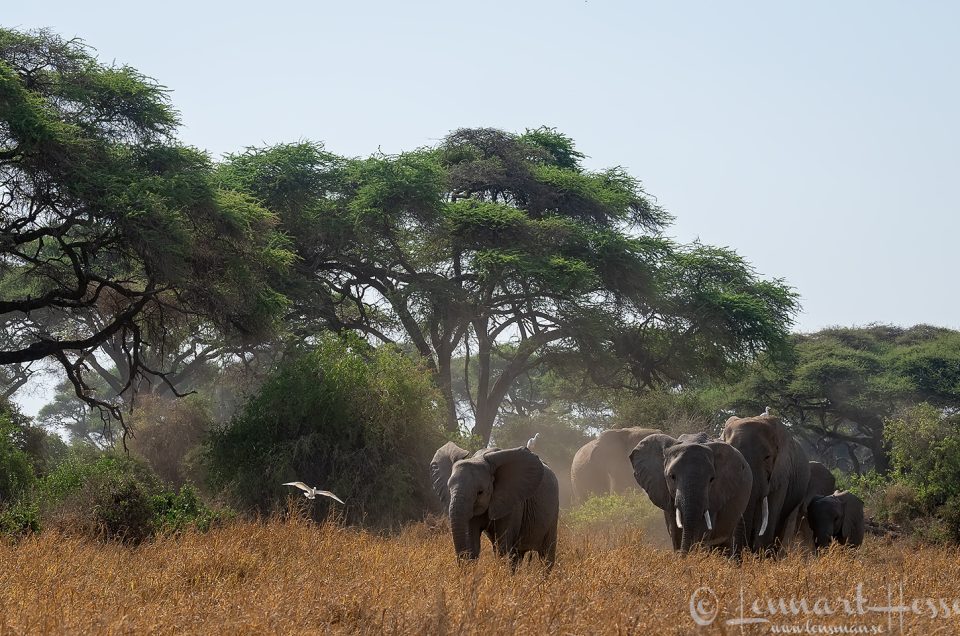
The huge flocks of Red-billed Quelas coming in to drink and the Elephant herd that have grouped together to stay safer. I have already written a blog, with video material, about the Elephant experience in Zakouma National Park so please check it out. I hope you will like it.

The Red-billed Quelas could be seen each day as they need to drink at least twice. It was spectacular to witness the millions of birds coming in to drink. The sound of a huge flock changing direction is something I wish more could experience. I would say that the Starling murmuration you can see in Europe is similar even if it isn’t close to being the same amount of birds.
Red-billed Quelas vs Man
The Red-billed Quela is the most numerous bird in the world. They prefer to eat seed of wild grasses and have a bill that is perfectly adapted to sorghum grain. Sorghum is an important crop in many African countries and that is why this small bird are considered a pest. A huge flock can devour up to 20 tons of grain daily so they may impact the lives of many in just one day.
Humans have tried to eradicate them, but this small bird seems to be utterly robust. I understand why they are considered to be a pest, but I sincerely hope man can find a way to live together with them.
Video 4K: Safety in numbers
This video is material from two evenings spent at one of Zakouma National Parks drying pans. The last evening our guide estimated that we saw 2 million or more birds during 30 minutes. It is very special to be able to see this type of spectacle up close and I sadly don’t feel that the recorded material really does justice to the experience. Still it might give you a grasp of it.


Leave a reply