
Savute 2022
Savute is a special place in Botswana with problems of its own. I do like it due to the wilderness and the fewer tourists than in most other parks in Botswana.
Savute – we’ll meet again
In March 2022 I went back to Savute in Botswana on my first trip to Africa just as covid-19 was starting to release its grip on the world. It was a strange trip in that sense, but one I will treasure for long as it brought me many new memories from the continent I love.
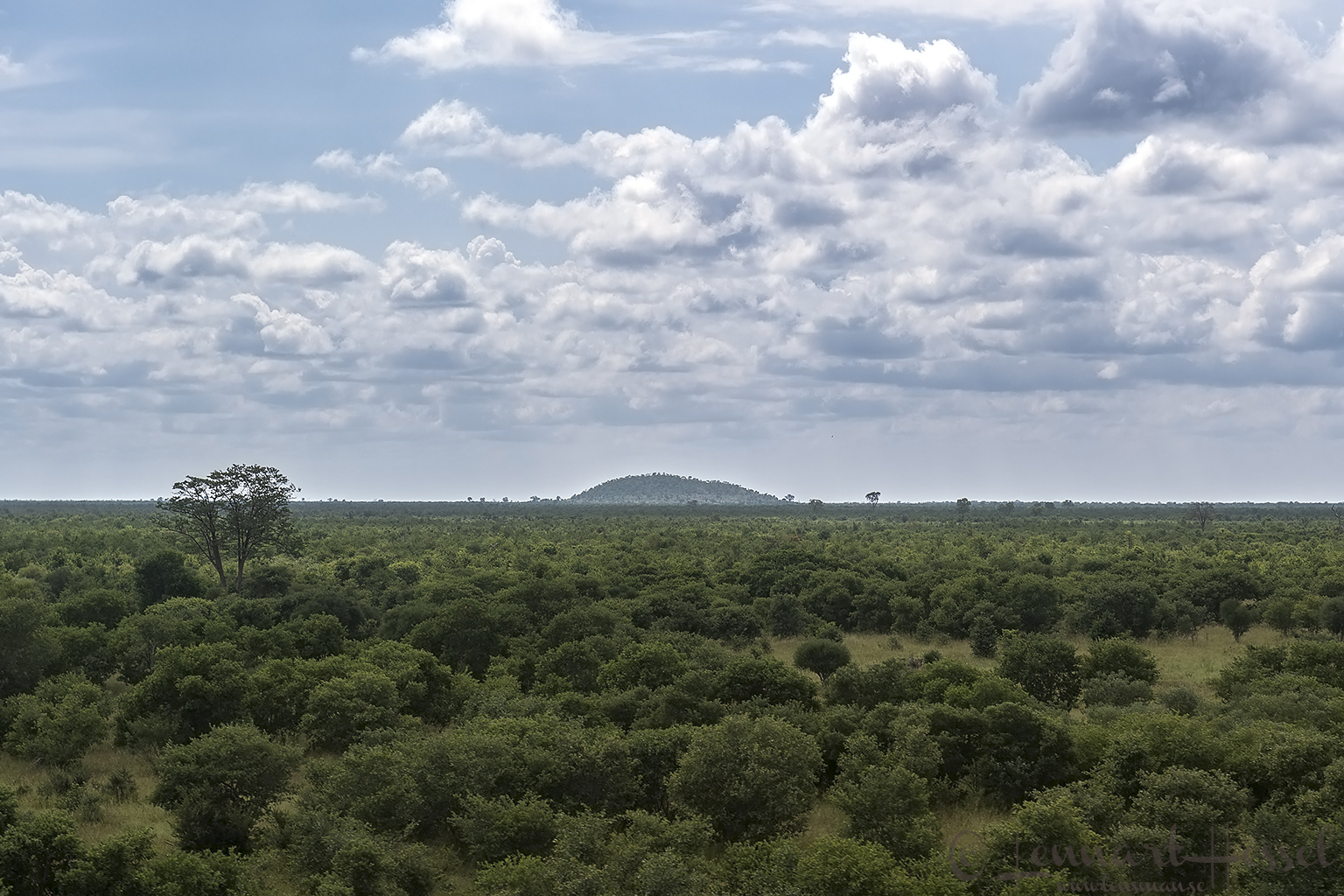
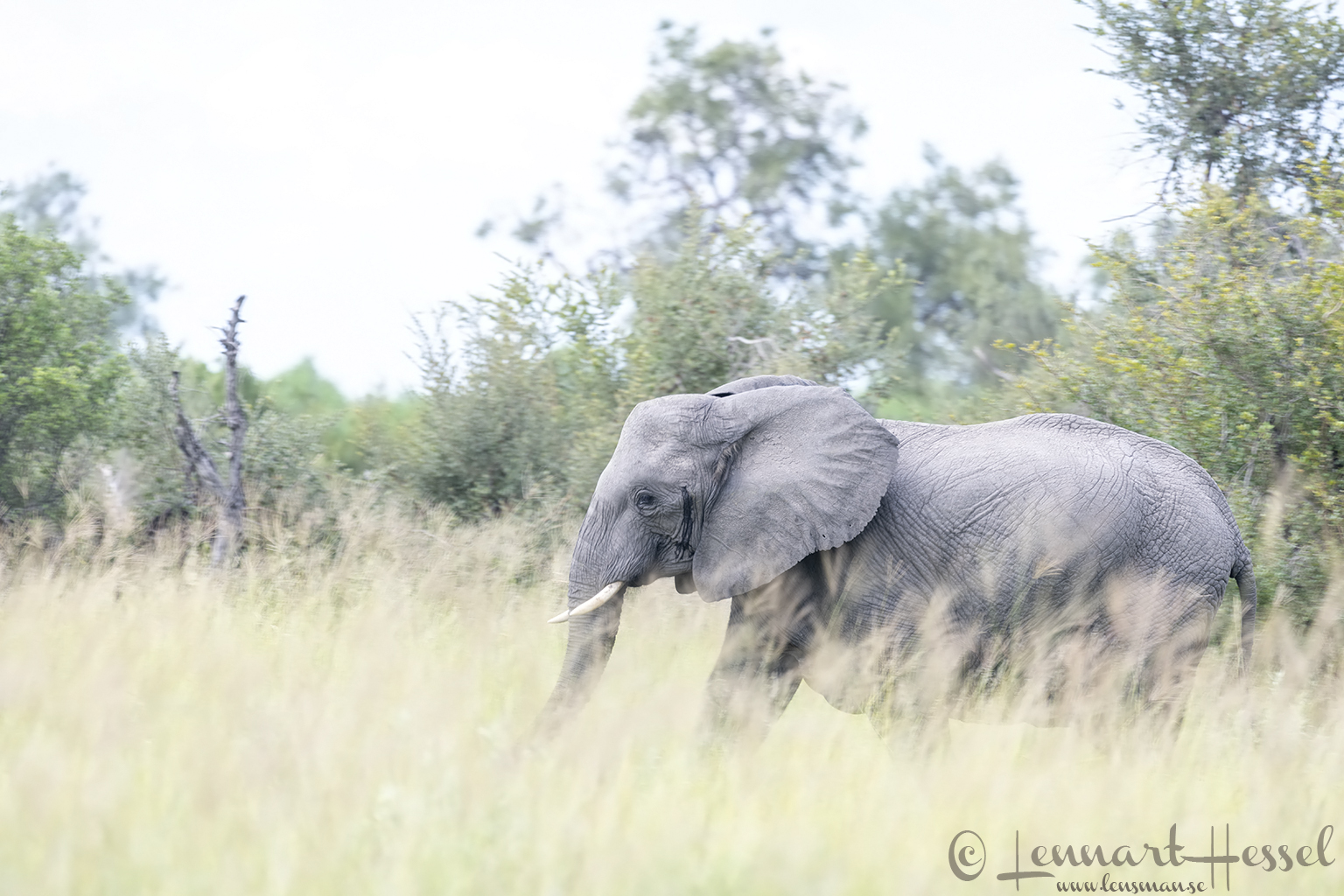
During my first visit to Savute in October 2011 the channel was flowing and there where elephants all around. That was not the case this time. The channel was dry, and the elephants dispersed into the lush wilderness meaning we only found them from time to time. This was not a shock to me as March is part of the green season when the browsers and grazers have an easier time. That means you will find fewer animals as they can find water easily and does not need to visit larger bodies of water. The green season is not the time photographers normally travel to Africa.

Savute DURING THE GREEN SEASON
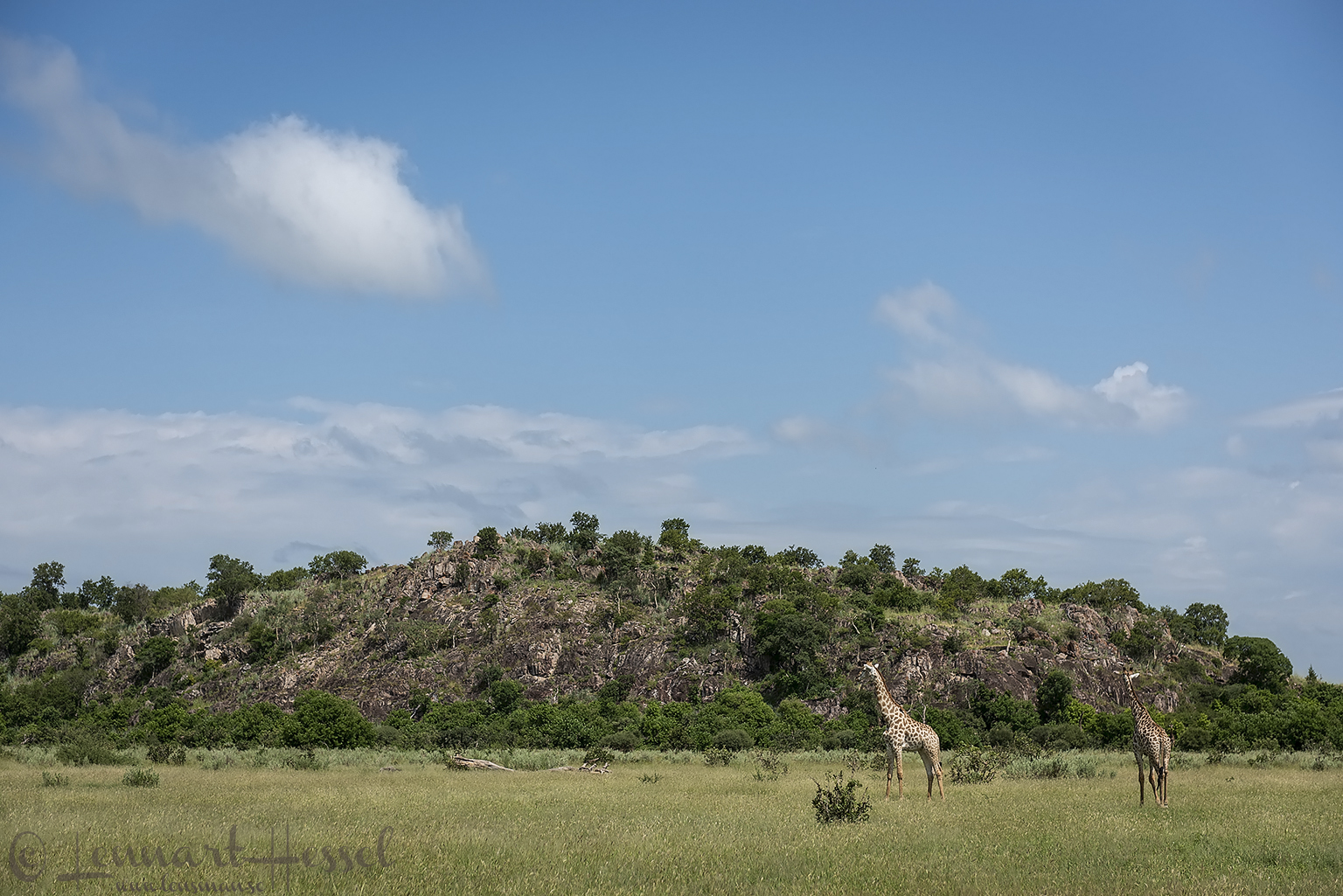
I felt it was a great period of the year to visit Botswana and I will surely go back during the green season. To see Africa as green, as this time, was a treat and to have less dust in the air was pleasant as well. But what struck me the most was the smell. To drive around and get overwhelmed by the smell of different herbs was really nice. It was such a contrast to the drier months you normally go to Africa to have an easier time to see and photo the animals. Another bonus for me was the cloudy sky that brought something extra to the photos. I am allergic to clear blue skies as they in my honest opinion just are boring.
Sadly, I did not find the possibility to work with the different species of butterflies I saw in Savute. I understood this was at the end of the life cycle for a few, and I caught glimpses of some I would have liked to photograph. To my surprise the mosquitos behaved well, and I was not bitten by any. Normally mosquitos like me so I was pleasantly surprised by their absence.
An unforgiving wilderness
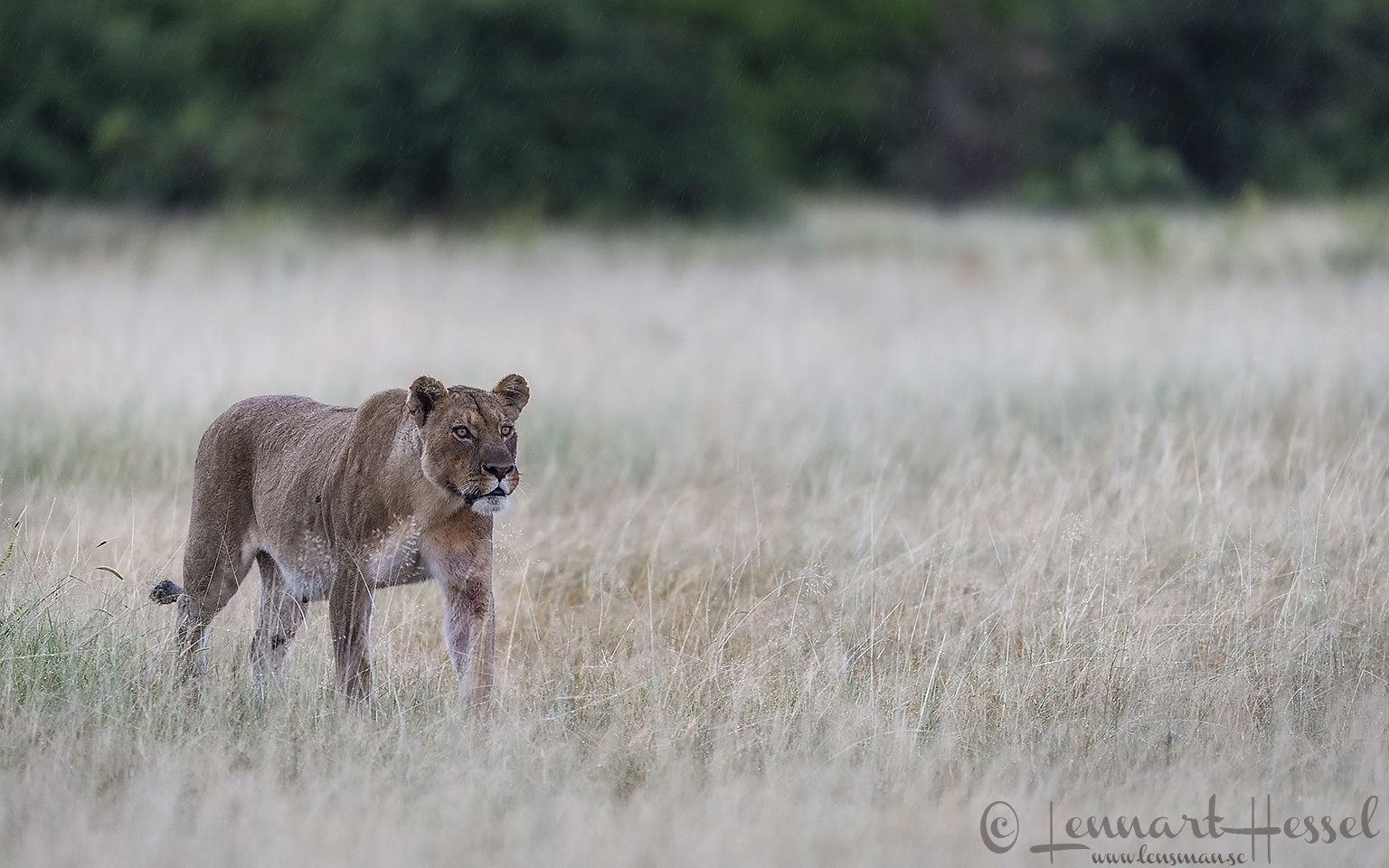
Savute to me is a place of contrast. It is a harsh and unforgiving wilderness with problems. The problems are not just related to water and the dry Savute channel. I would say that one of the bigger problems is the gene pool of the lions. No new genes in the form of younger males have come into the area for over a decade it seems. I am not fully aware of why but would guess there are more than one reason.

The predators of Savute are famous due to the documentary Savage Kingdom. The biggest star was the notorious Sekekama, the leader of the Marsh pride together with his brother Torn Nose. I cannot be 100% sure, but in October 2011 we were greeted by two big male lions when we came to Savute. Could that have been Sekekama and his brother Torn Nose? To my knowledge they took over the Marsh pride the same year and when I started to plan this trip in late 2021, I understood they still ruled the Marsh pride. I did not see them during this trip as they Marsh pride had vanished and wasn’t to be seen. Still, I read news about both still being alive in 2023. That is way to long for males to be head of a pride.
sekekama still alive
Instead, I saw Sekekamas offspring Sekoti, or Snip Tail due to his short tail. He is now in charge of his own pride, with three younger males in tow. Normally male offsprings should move away from the area where they are born, but in Savute they seem to linger. My guess is that the areas around Savute have few lion prides, if any, as those normally force young males to become nomadic. Maybe the areas around Savute cannot feed a lion pride during the year and that is why the young males stay around their place of birth. They then become a sort of buffer for their father and that is why no new males have managed to take over the Marsh pride. This is just me making assumptions, so do not take this for truth.
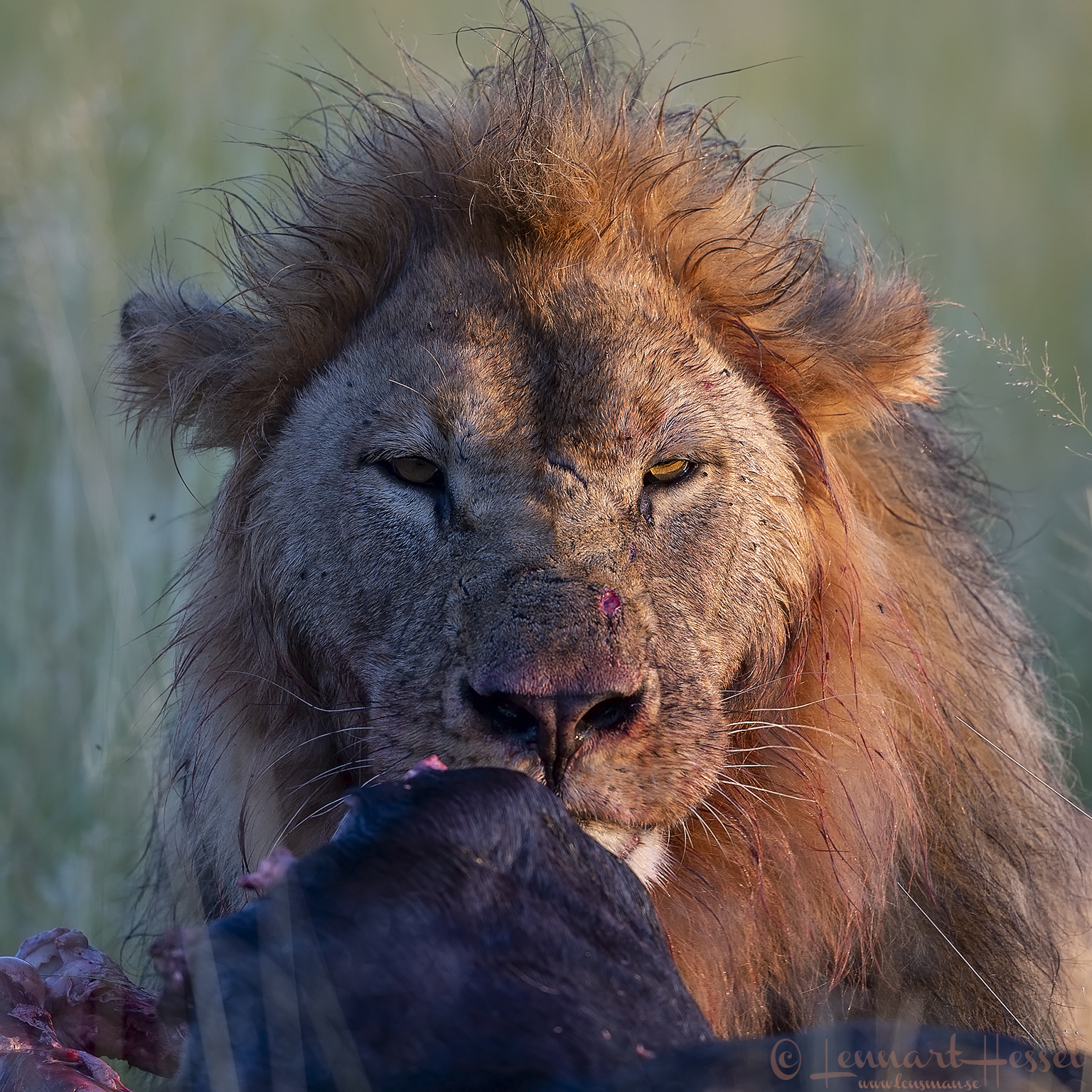
My five days in Savute was good with many great sightings. Had a most knowledgeable guide, Tau. We travelled all over the plains during my time there. We did not stress but took time and that often means you will see and experience more. Encountered Honey badgers twice, sadly no good picture, and I even spotted a small cat one early morning. Tau said it must have been a Black-footed cat and I will not argue with his judgment.
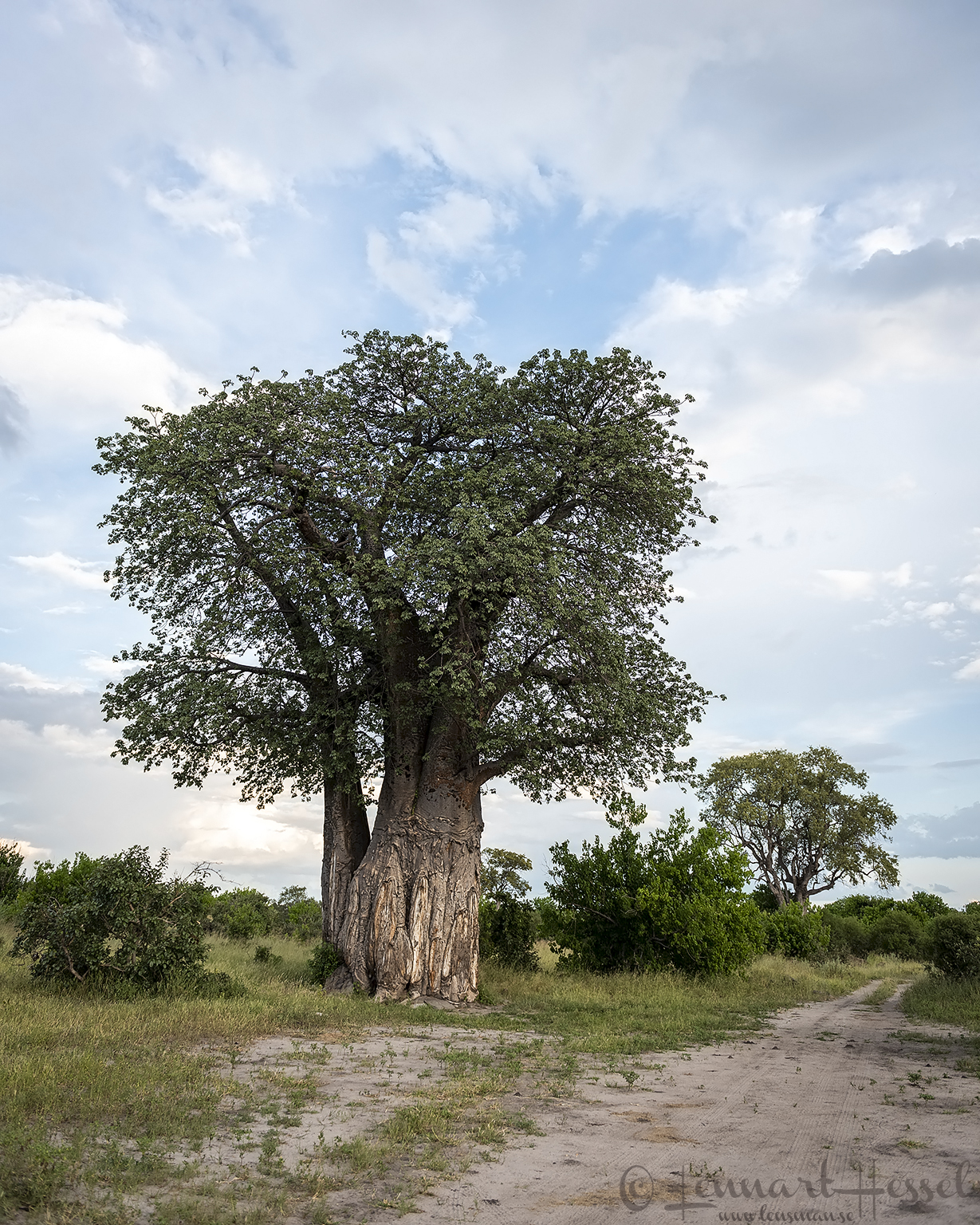
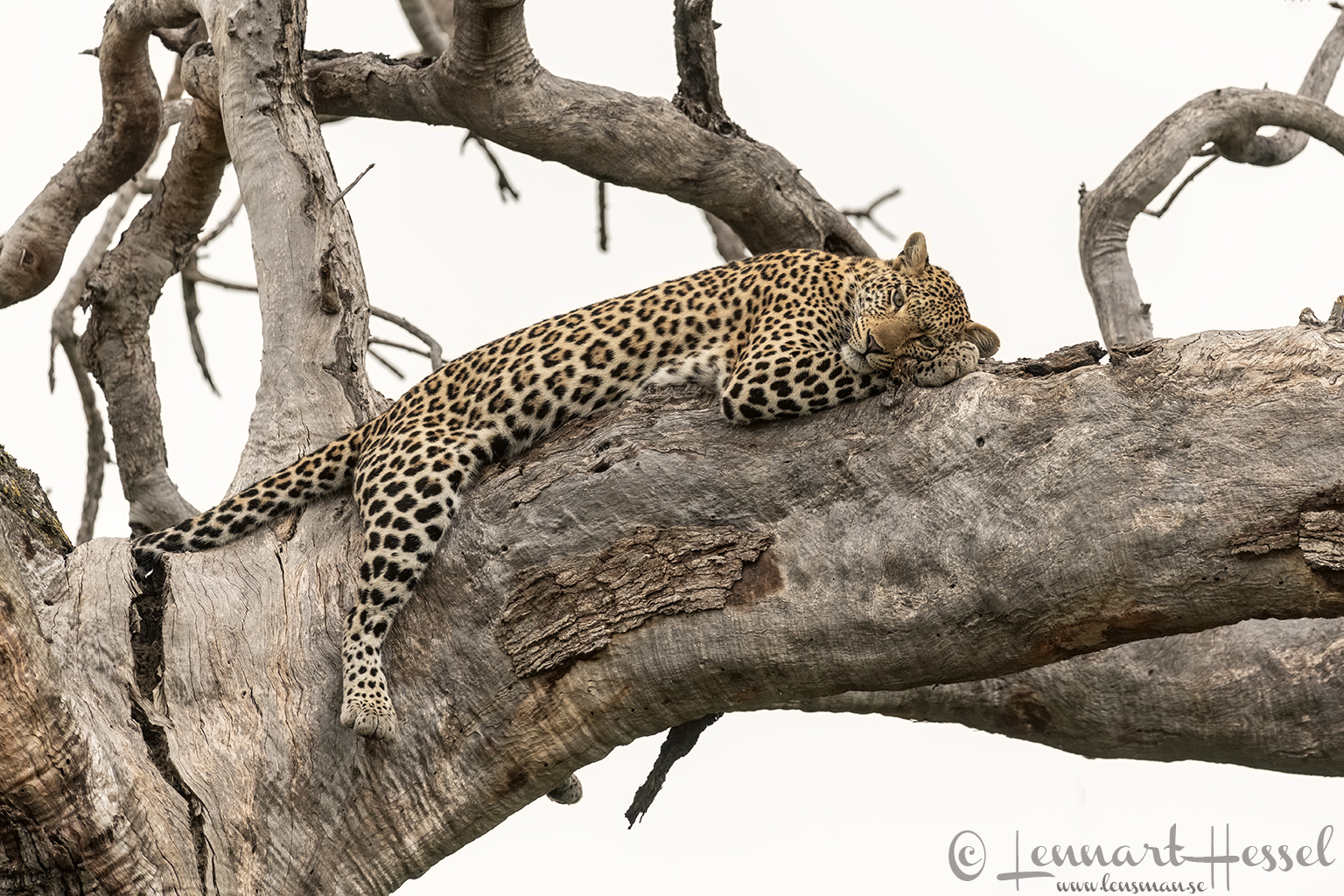
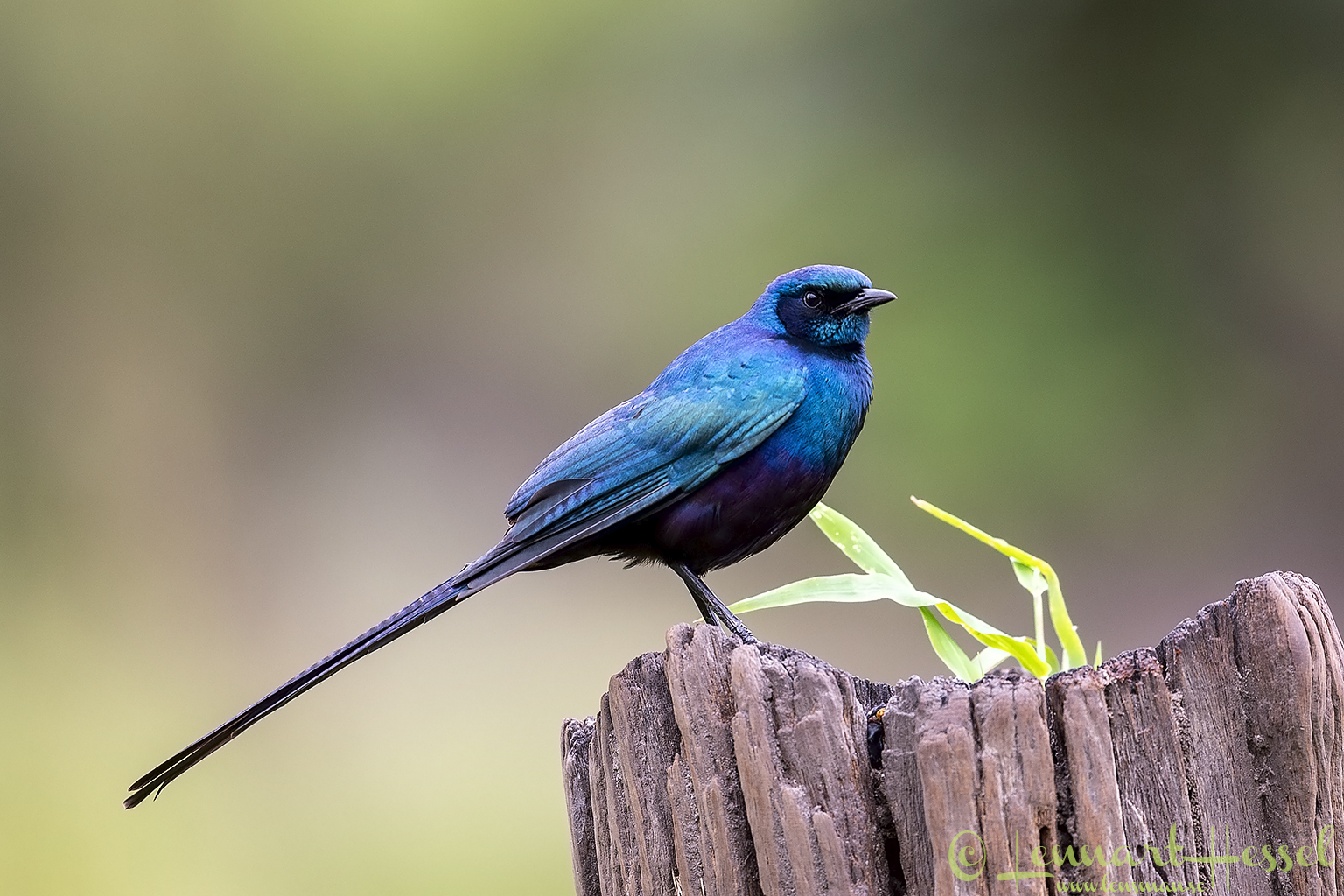
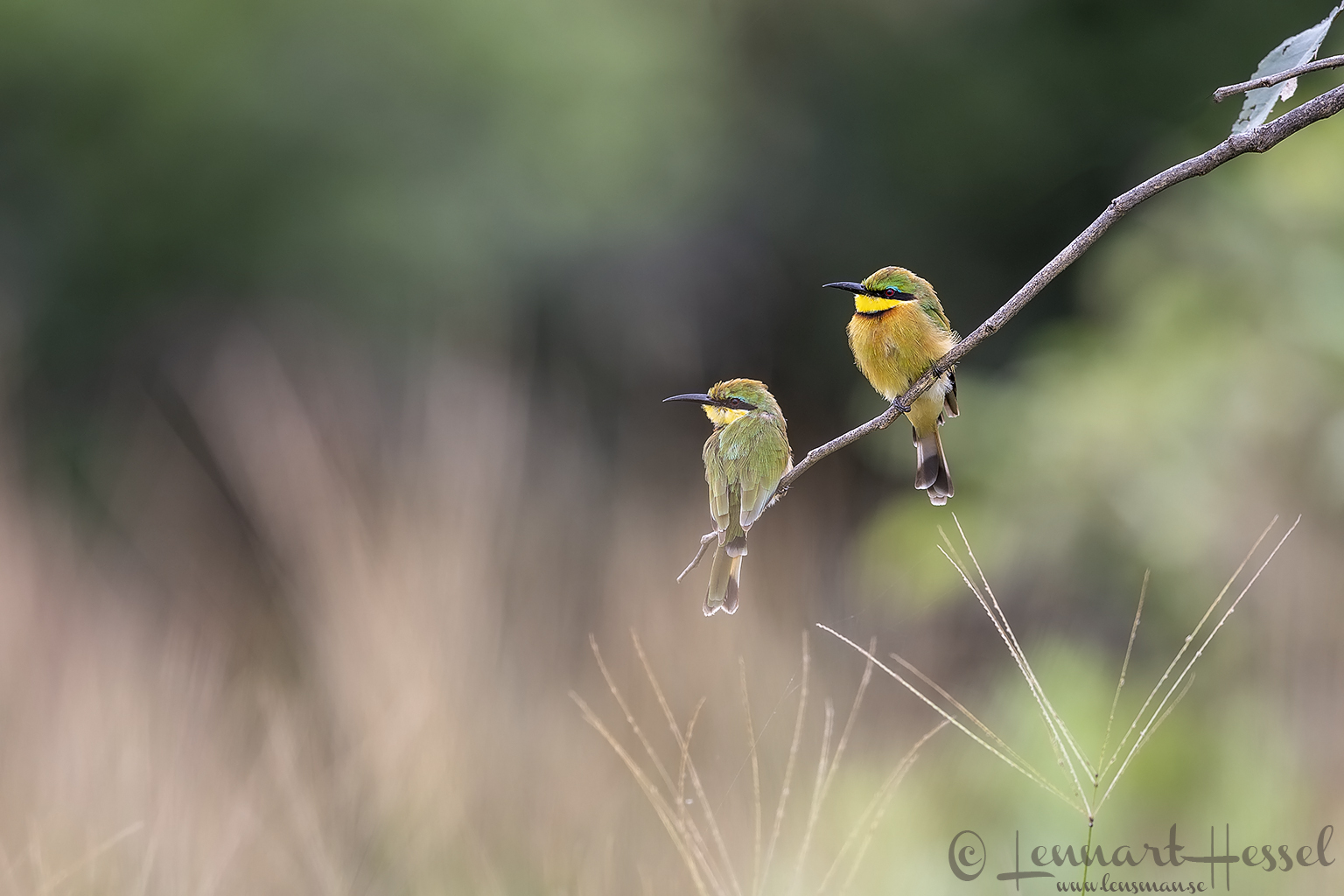
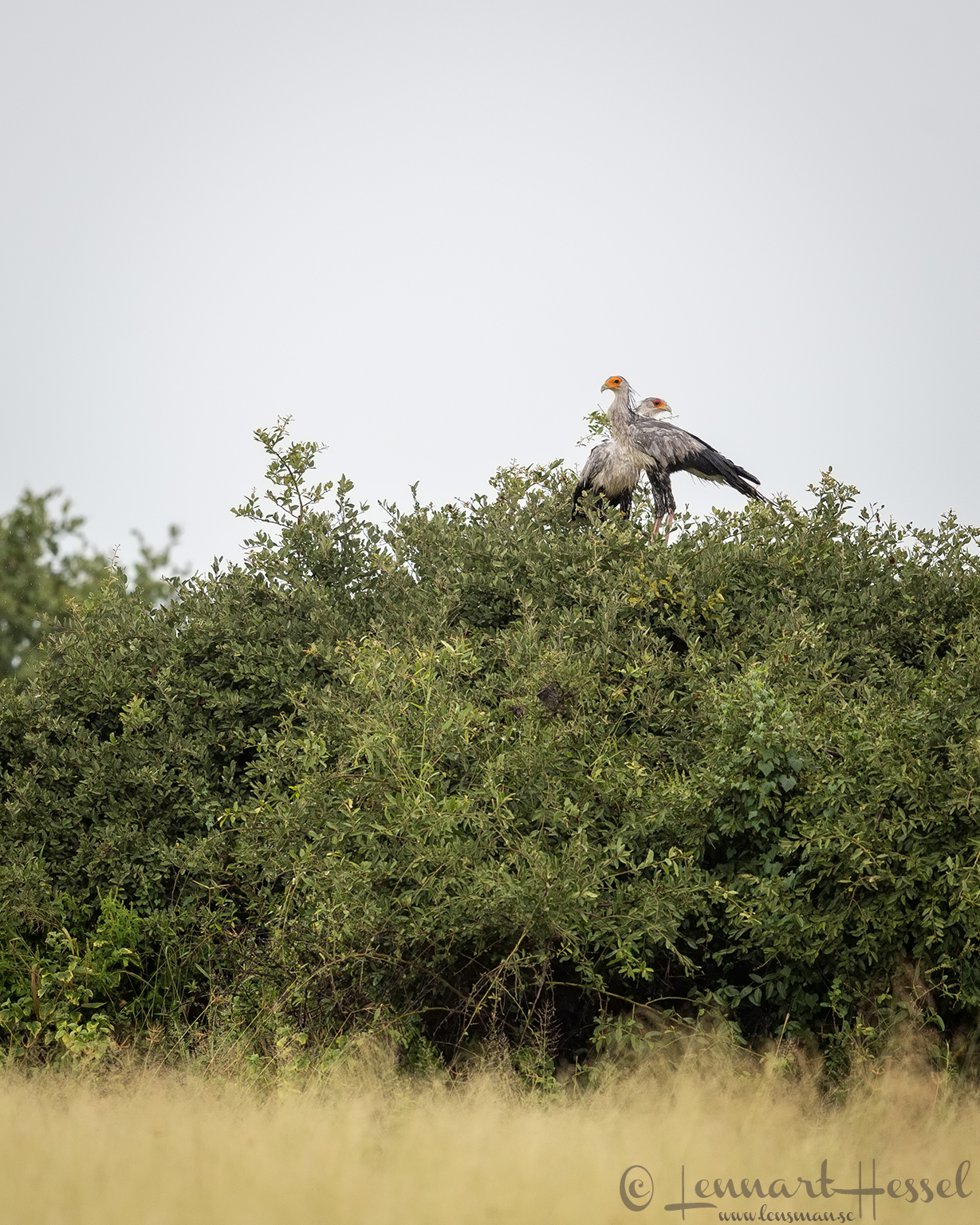
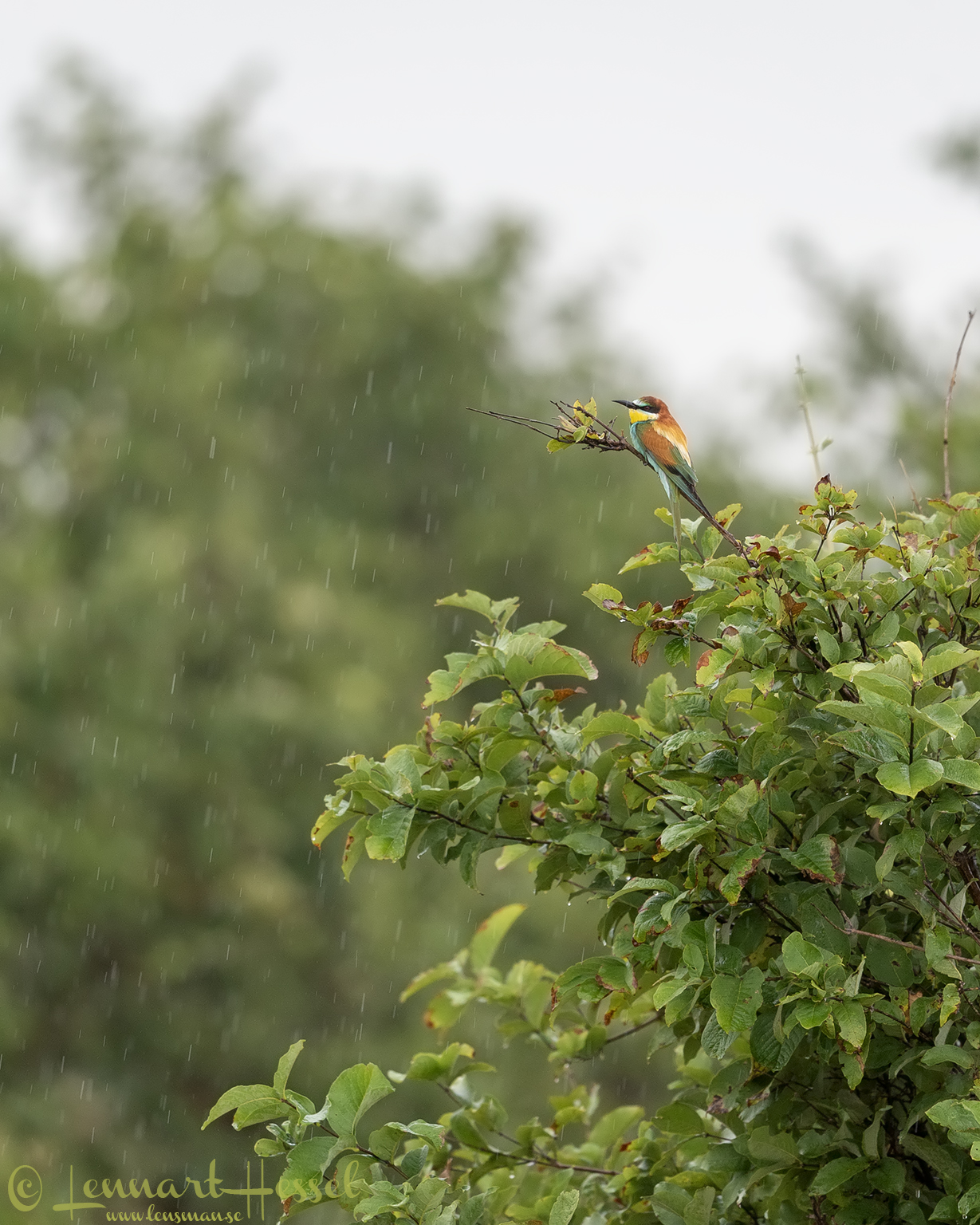
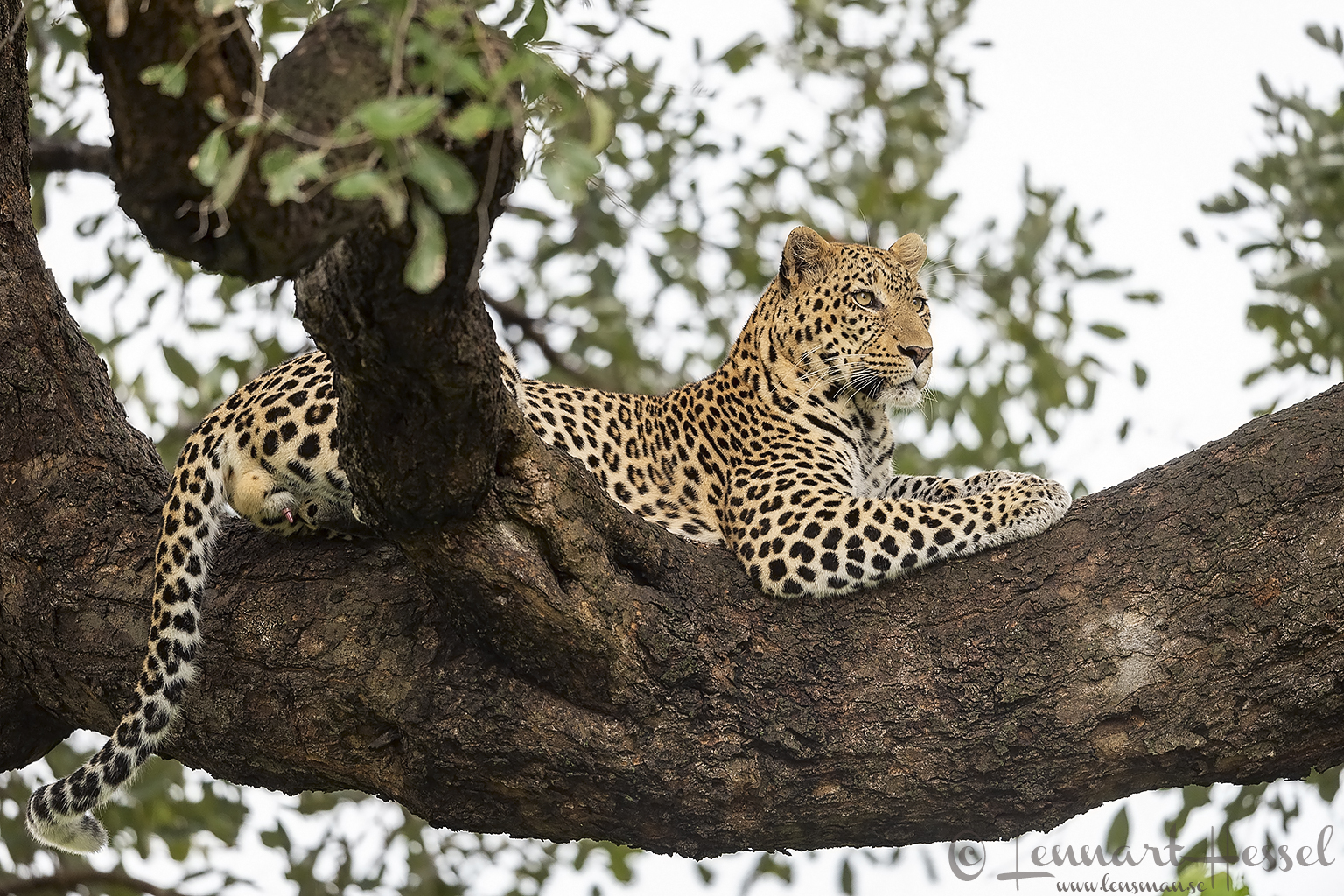
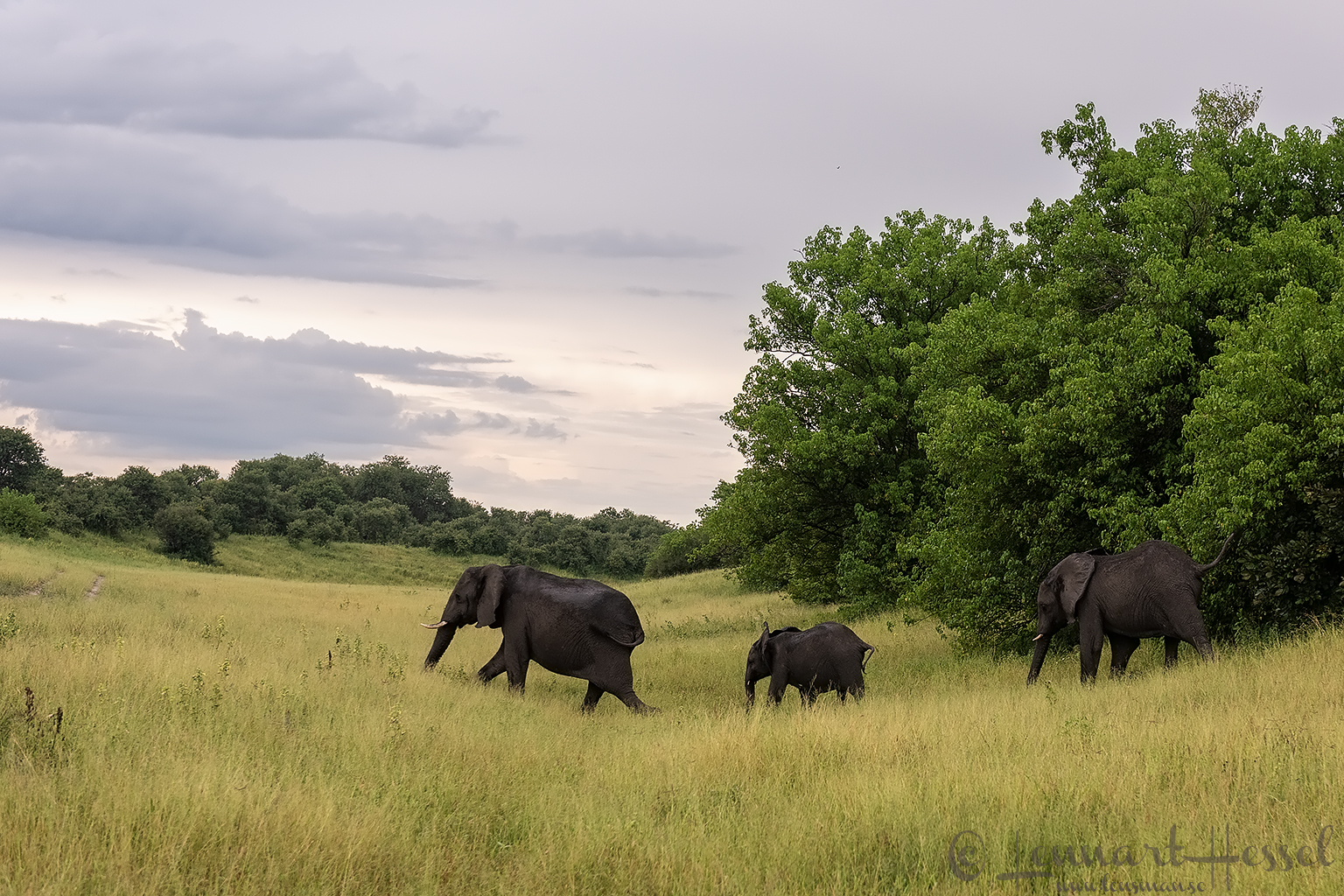
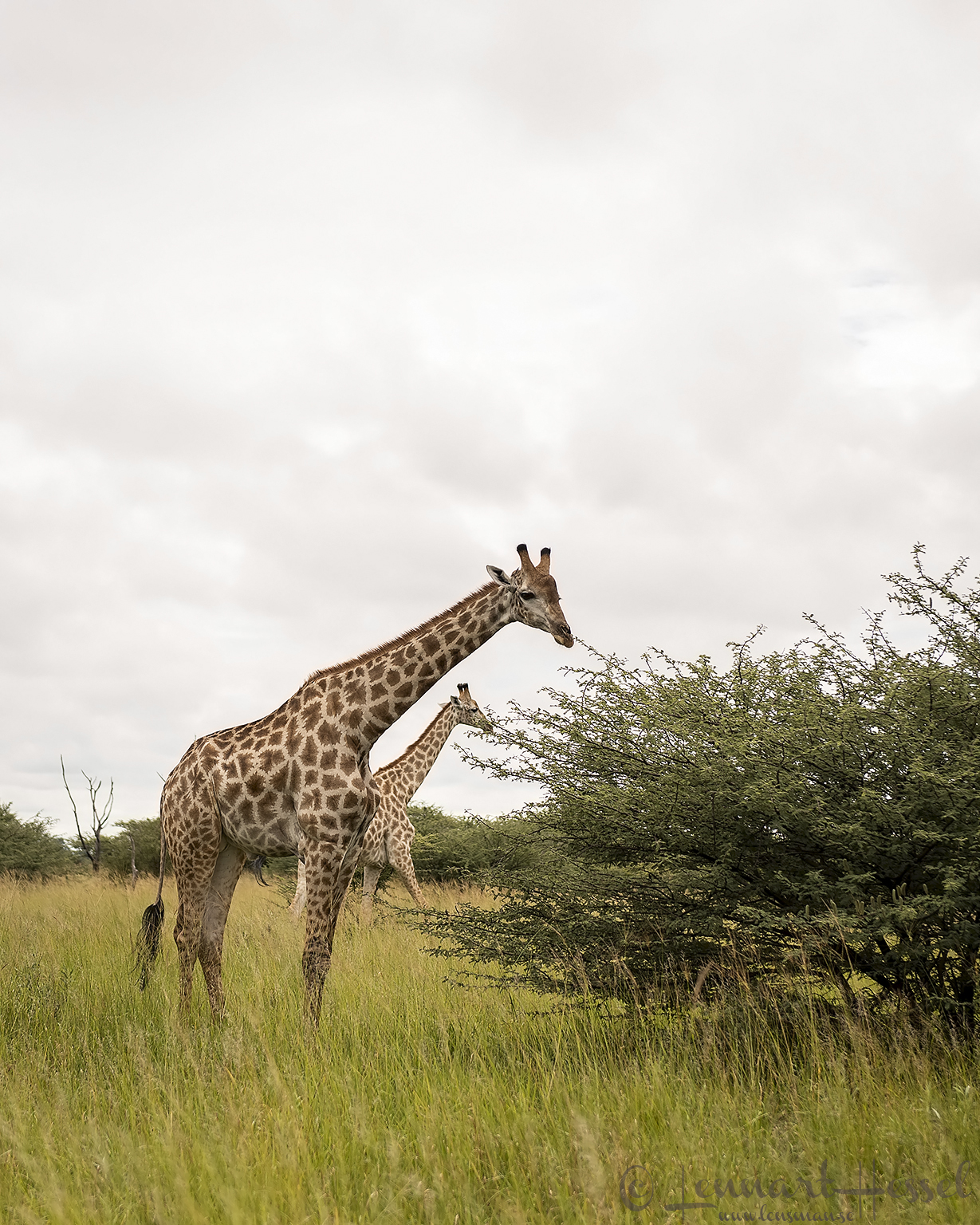
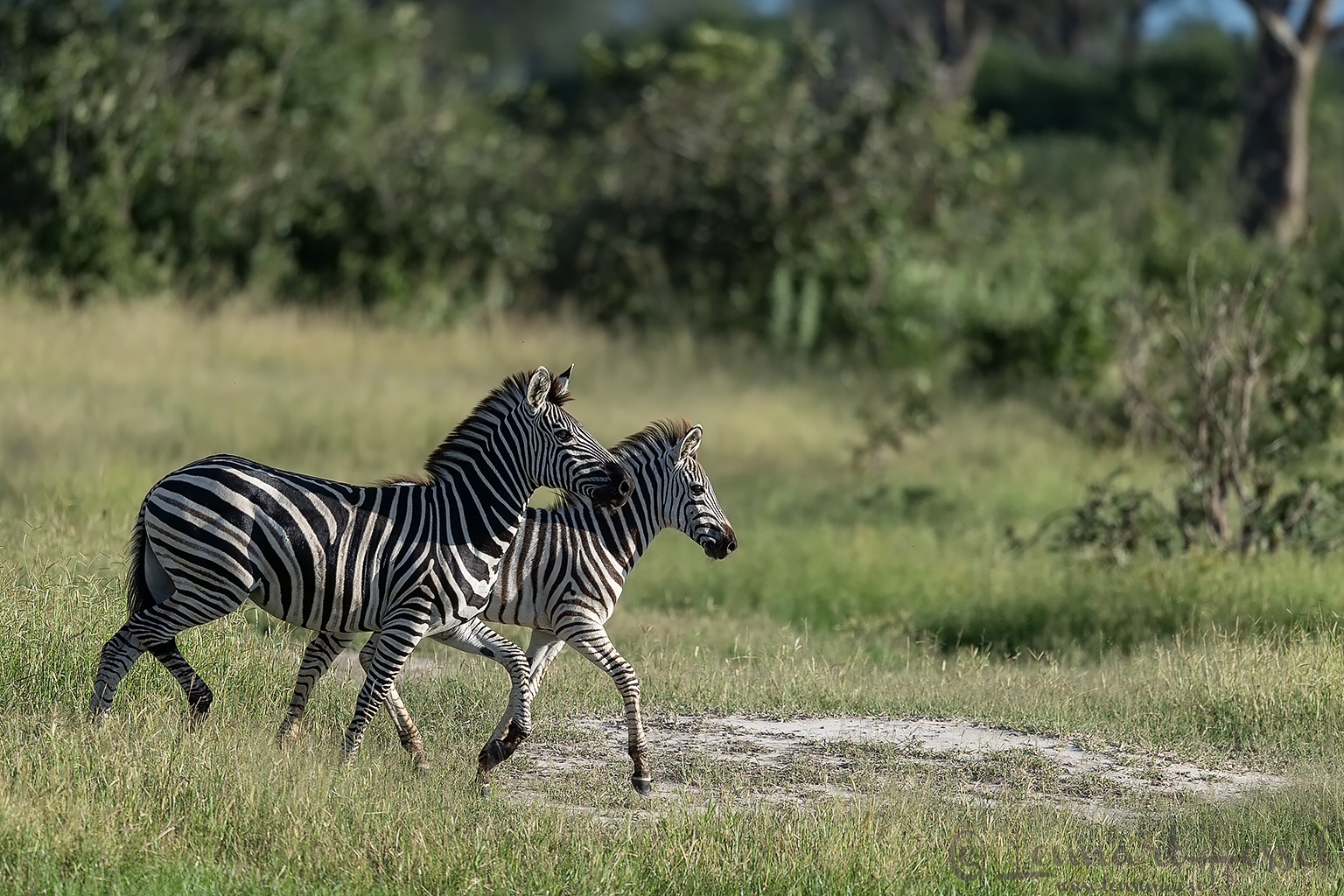
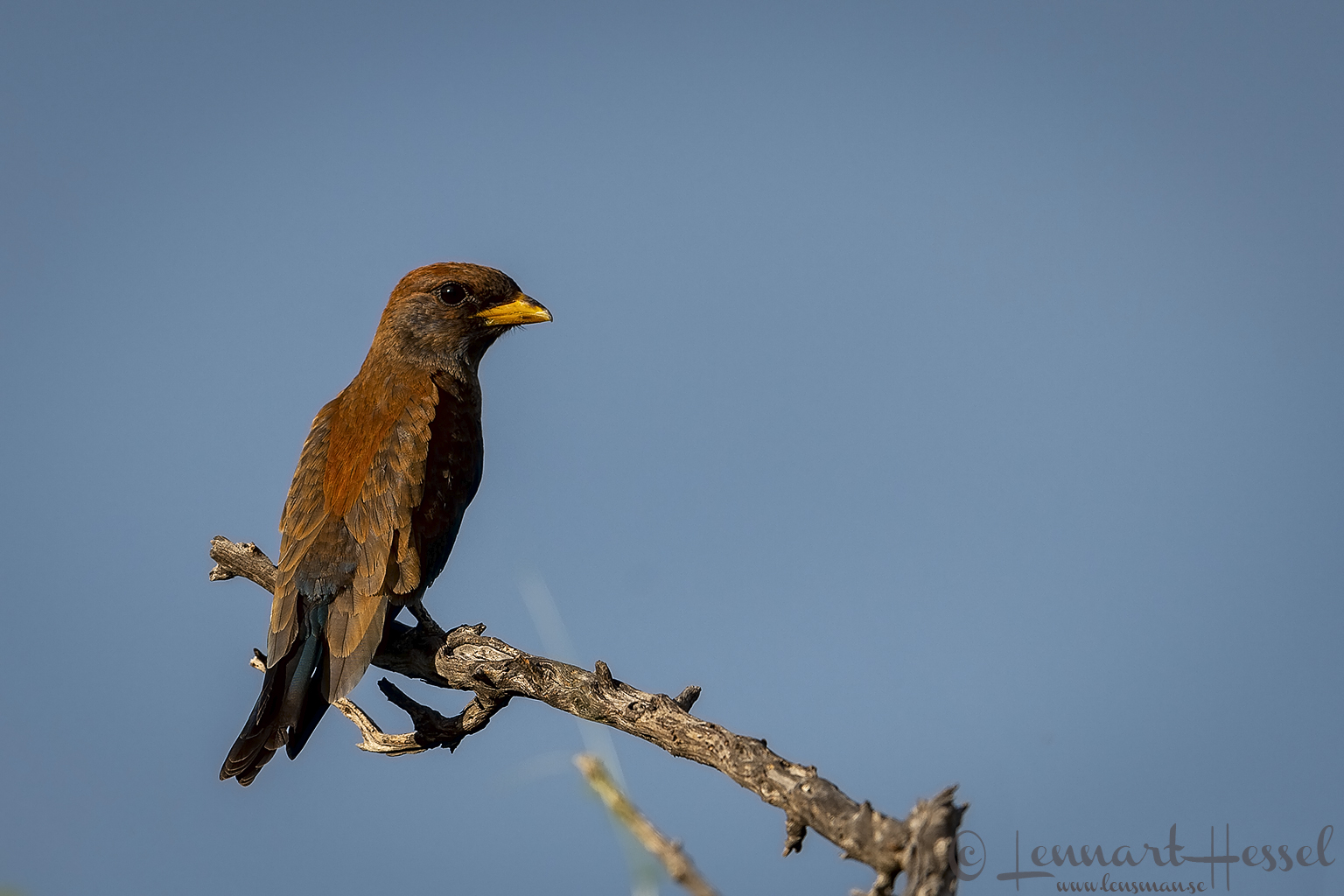
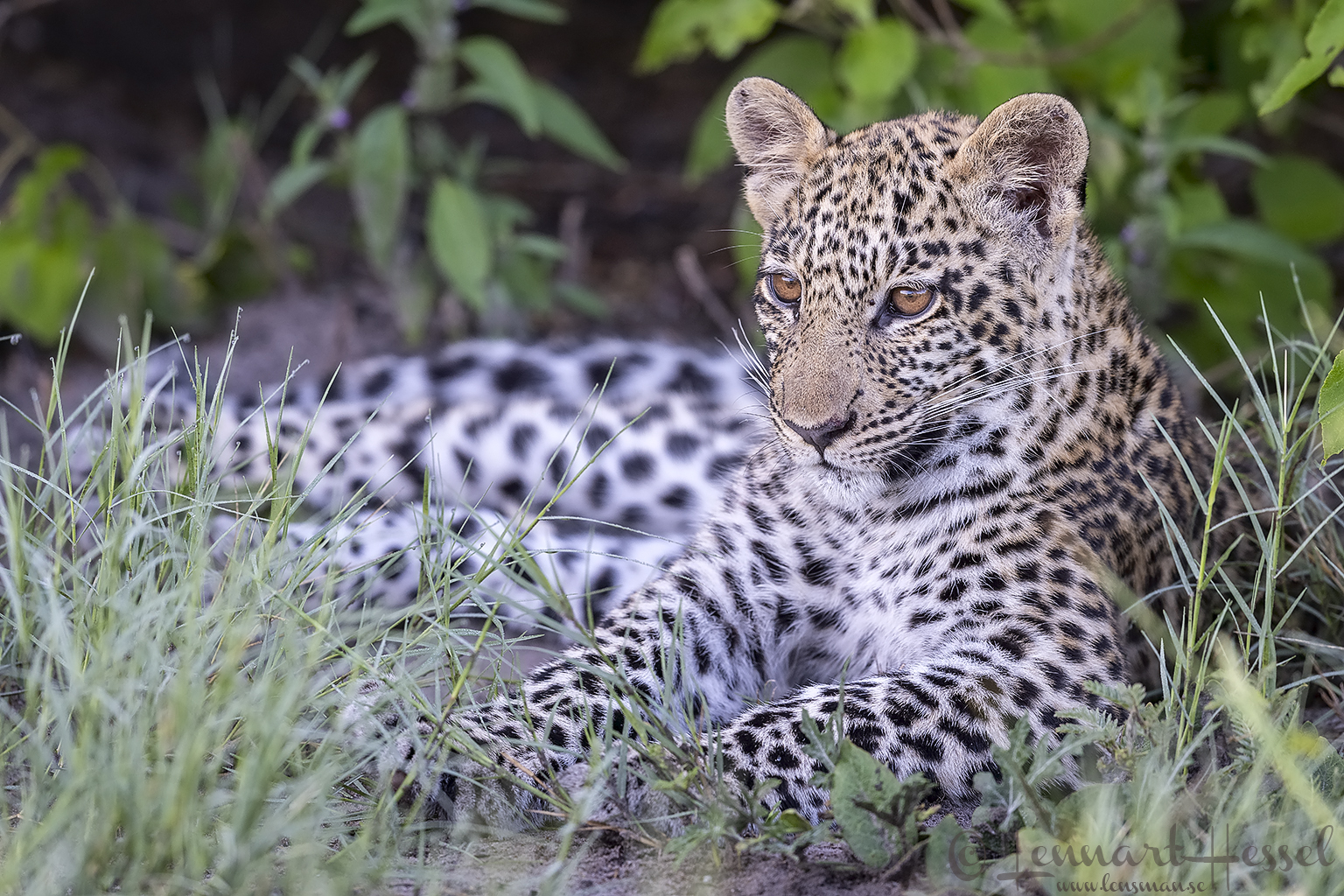
I hope you will find a few nice photos in the photo album below. And rest assure, I will go back to Savute because I love the place.
Photo Album: Savute 2022

























Recent Portfolios
Amboseli National Park 2024

Hungary Bee-eater Bonanza 2024

Ghana 2024
8 Comments
Nice view! The clouds and the sky are amazing! … Happy New Year Lensman – Lennart Hessel Photography
Thank you, Jo Sa
👌
Appreciated Ana Perez Rey
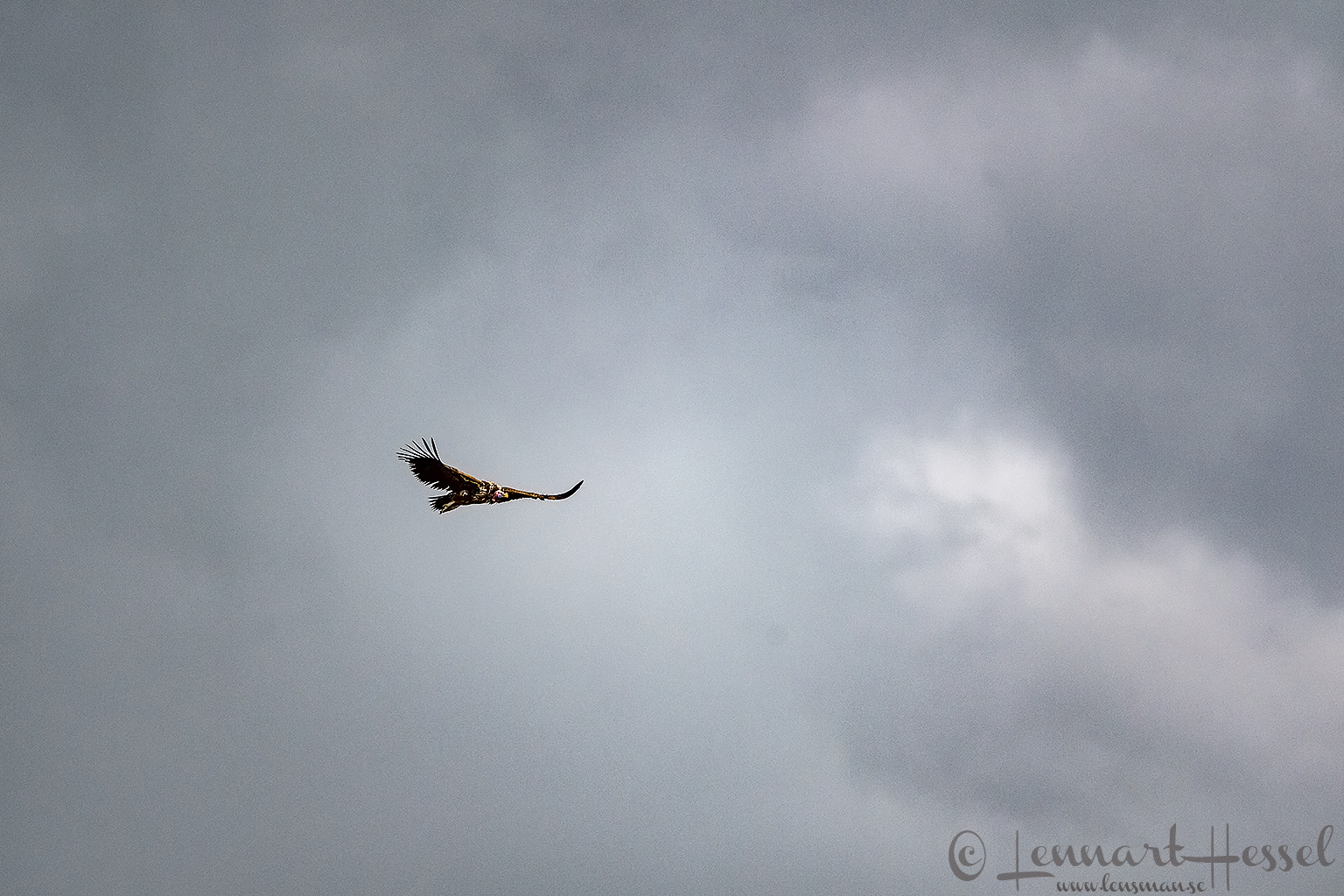
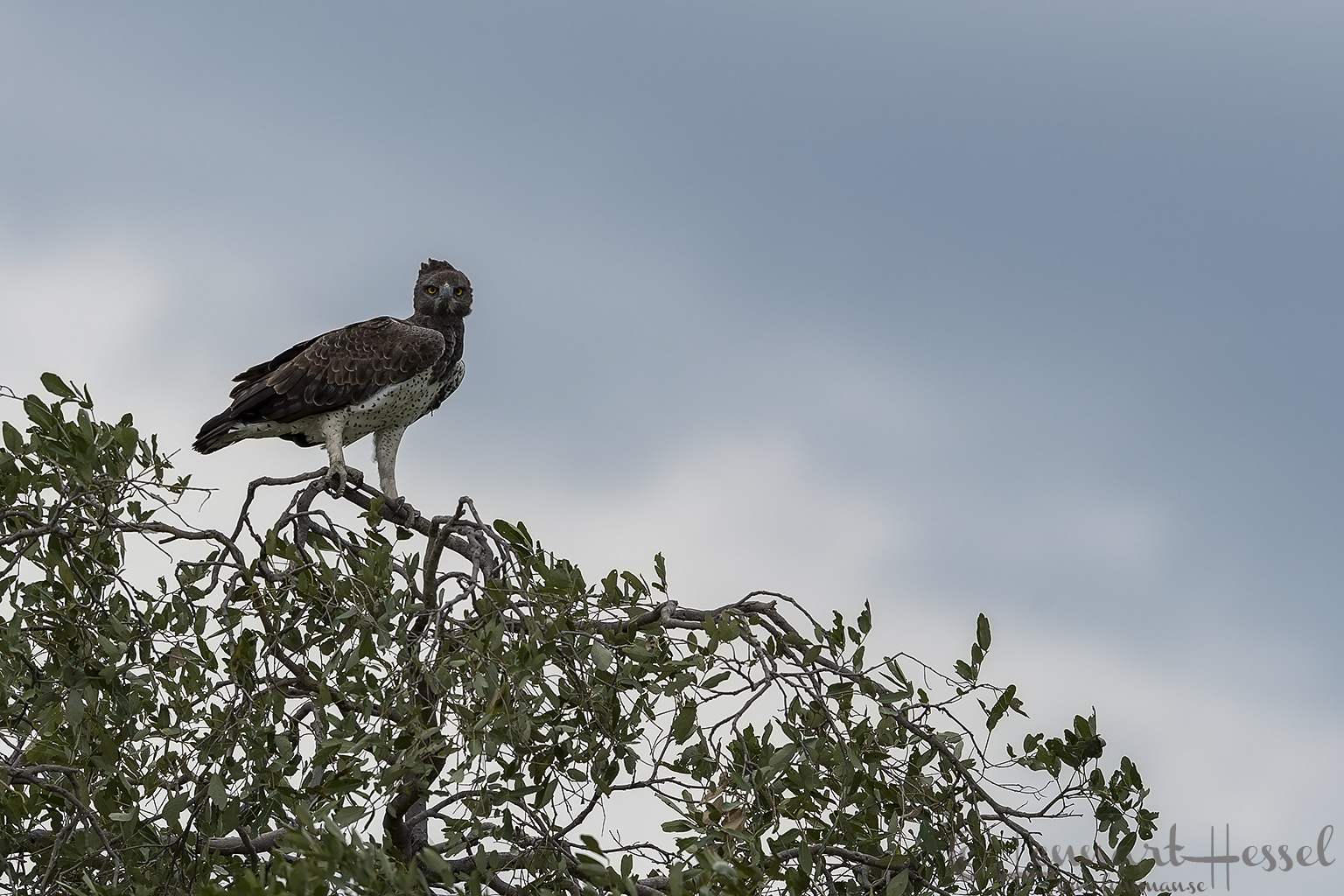
Is this a Harpy (Harpia harpyja)? Also known as the harpy eagle, it is an eagle that can be found from Mexico to Argentina. Considered the largest eagle in the Americas, it has a wingspan of more than 2 meters! The female weighs approximately 9 kg, while the male weighs around 5 kg. In Brazil and in the Mato Grosso Amazon we have it!!!
It is not Jô Sá. This is a Martial Eagle found in Africa. It is smaller than the Harpy Eagle, but I understand it has a few similarities in apperance.
❤️
Much appreciated Ana Perez Rey